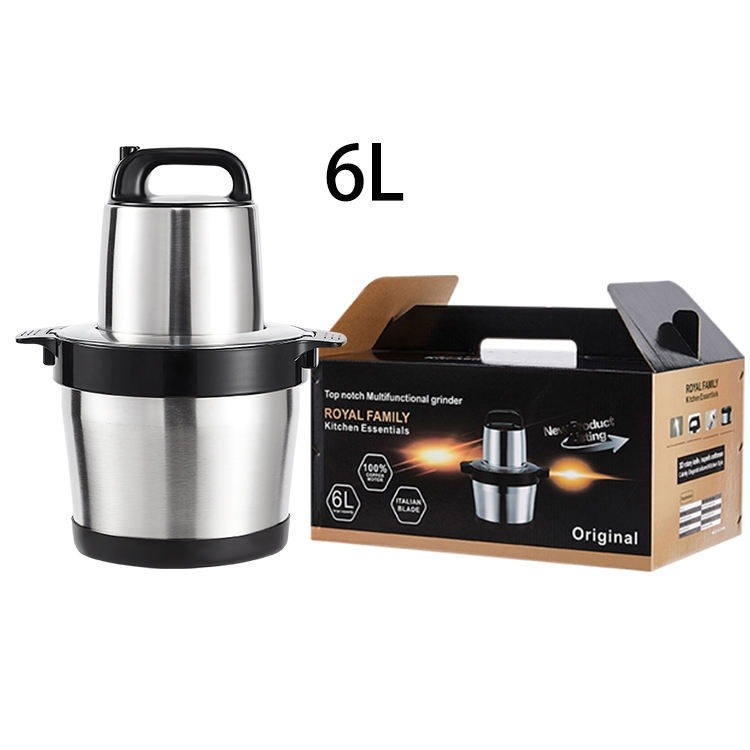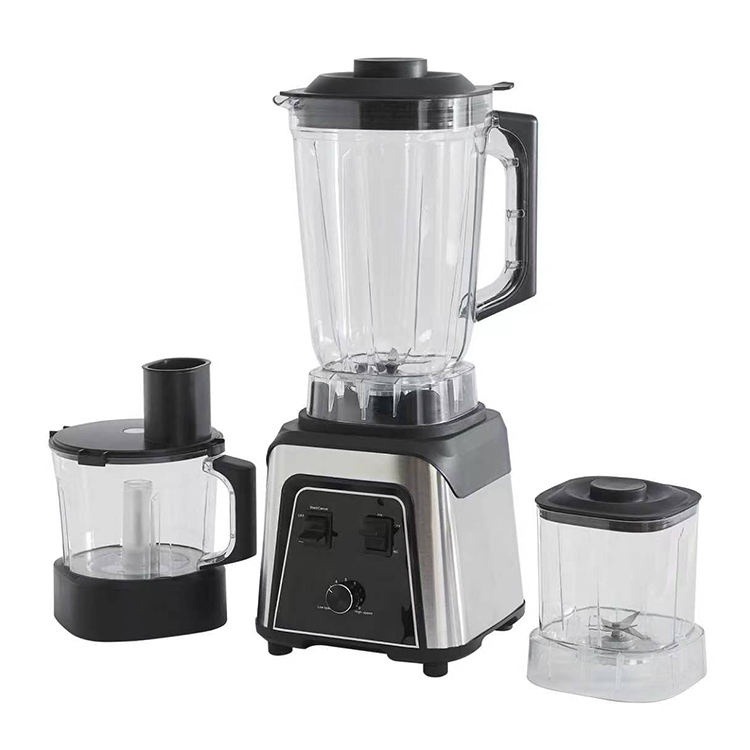
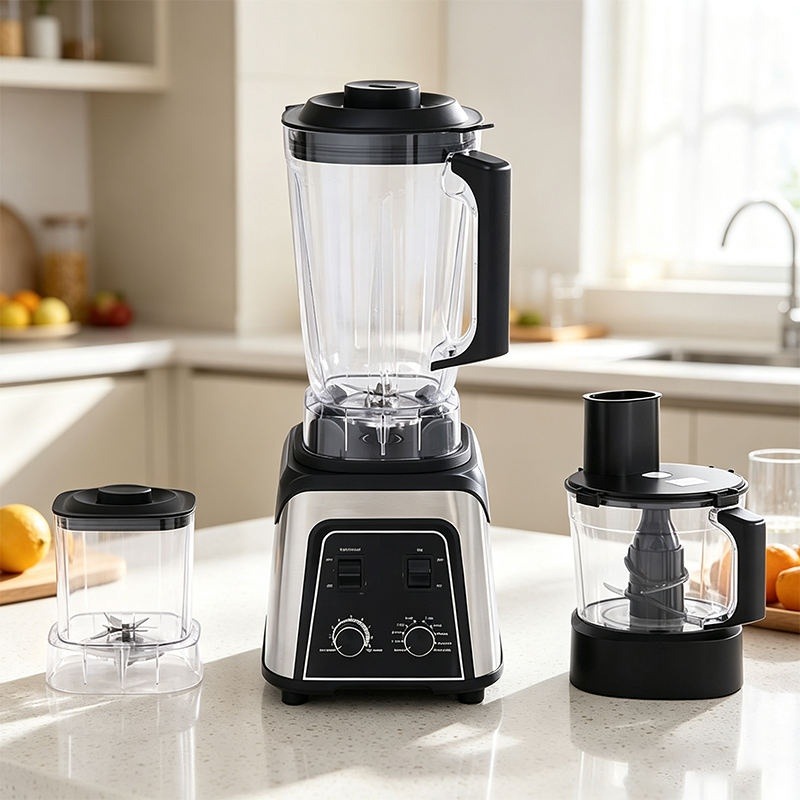
Plastic is a product refined from petroleum, and it is used widely in high-speed blenders and electric meat grinders — the categories buyers search for most often as “high-speed blender”, “blender for smoothies”, “electric meat grinder” and “food chopper”. Every part, whatever its shape or function, calls for a different plastic. Langfang Jindu Household Products Co., Ltd. has more than fifteen years of injection-moulding experience. Below we explain how to tell apart the plastics most often used in small kitchen appliances, so that buyers can compare quotations with more confidence. You are also welcome to visit our Alibaba store (https://jindujiaju.en.alibaba.com/) or our official website (https://jindubrand.com/).
Every container that leaves a factory is protected by a bag nobody photographs. Two resins do most of that work, and they are easy to confuse.
HDPE is the stiffer of the two. Its density sits around 0.94–0.96 g/cm³, which makes it stronger, more opaque, noisier in the hand and a better barrier against moisture. It holds a crisp fold, prints cleanly and carries a higher service temperature, which is why it becomes retail carrier bags, inner liners for cartons and caps. It is also the more widely recycled polyolefin, accepted under code 2 in most collection schemes.
LDPE is softer and more transparent, with a density near 0.91–0.93 g/cm³. It stretches instead of tearing, feels silky rather than crisp, and seals at lower temperatures — the reason it dominates stretch film, bubble wrap, shrink hoods and the soft bags wrapped around a machine’s bowl. Its heat ceiling is lower, and thin-film recycling is still patchy in many markets.
Choose by the job: HDPE where the bag must hold its shape and block moisture; LDPE where it must stretch, cushion and seal. Both can now carry recycled content, and for export markets the recycled percentage is worth stating on the carton.