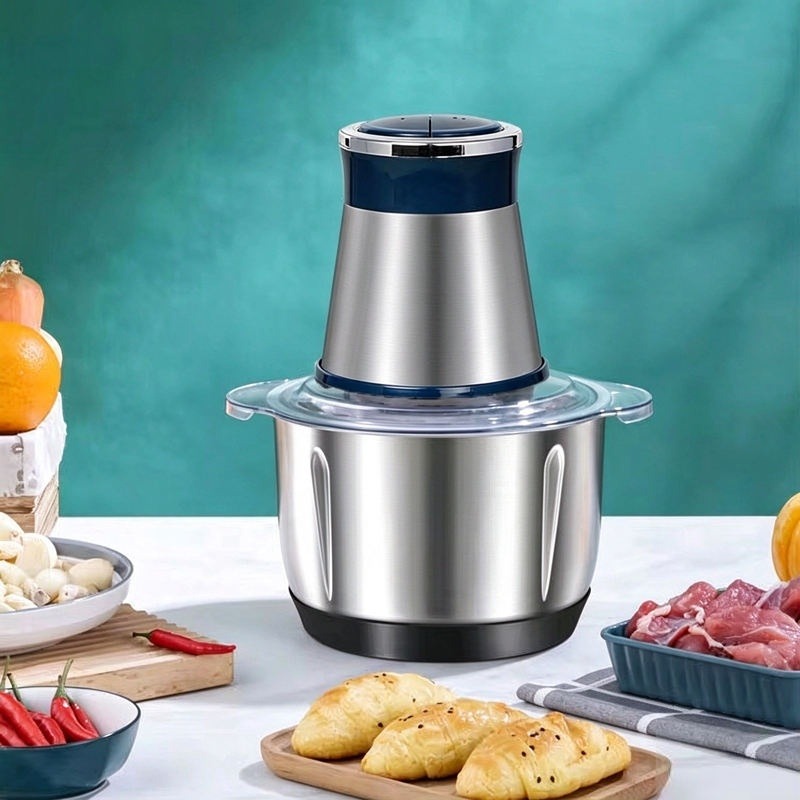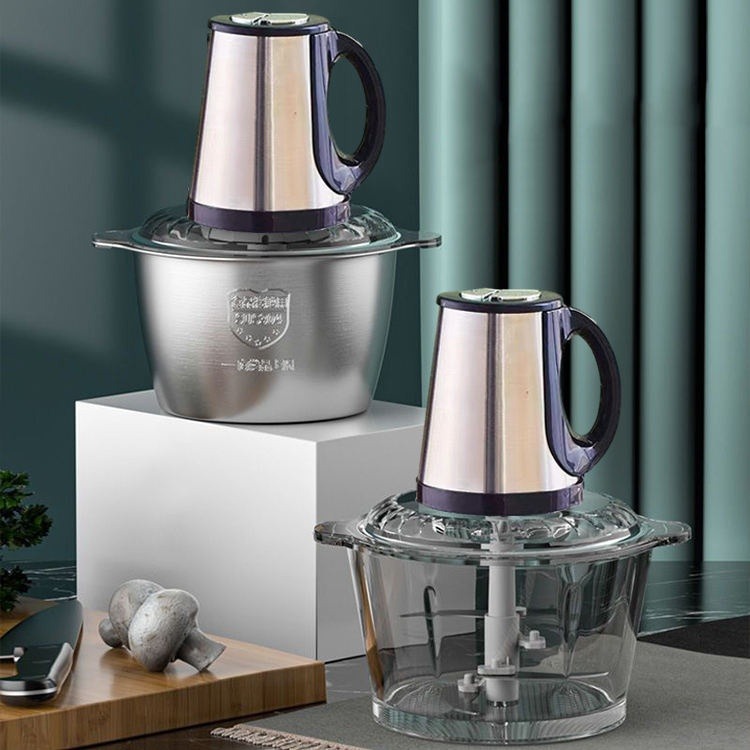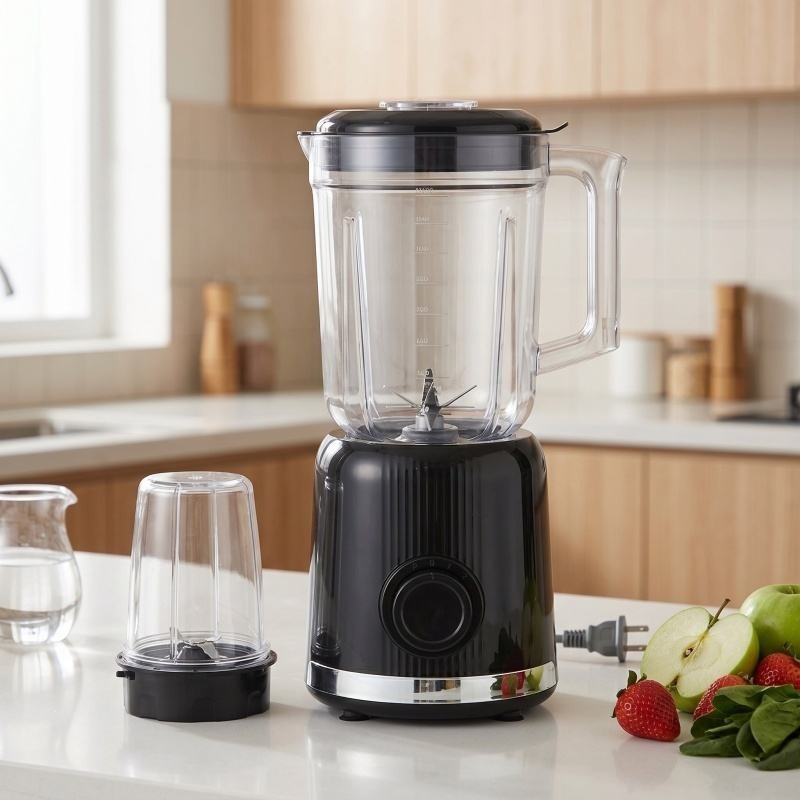
Plastic is a product refined from petroleum, and it is used widely in high-speed blenders and electric meat grinders — the categories buyers search for most often as “high-speed blender”, “blender for smoothies”, “electric meat grinder” and “food chopper”. Every part, whatever its shape or function, calls for a different plastic. Langfang Jindu Household Products Co., Ltd. has more than fifteen years of injection-moulding experience. Below we explain how to tell apart the plastics most often used in small kitchen appliances, so that buyers can compare quotations with more confidence.
You are also welcome to visit our Alibaba store (https://jindujiaju.en.alibaba.com/) or our official website (https://jindubrand.com/).
ABS is the default for visible housings. It is hard and stiff, takes a deep, even colour, and holds a high gloss straight out of the mould — which is why most appliance shells look more expensive than their price. Its weakness is heat: it begins to soften around 85 °C, so it belongs on the outside of the machine, away from steam and hot food. Because ABS is amorphous, it shrinks little, roughly 0.4–0.7 %, and holds tight tolerances, crisp logos and fine texture lines.
PP is the workhorse for parts that meet food or heat. It is softer and more flexible, survives boiling water and dishwasher cycles, and costs noticeably less per kilogram. Its surface is naturally matte and slightly waxy, colours read flatter, and as a semi-crystalline material it shrinks far more — 1.5–2 % — so the mould needs generous draft and well-placed ribs to avoid warpage.
In practice we split the part list: ABS where the eye lands, PP where the hand and the heat land. A blender lid, a meat grinder’s food-contact chute and the inner bowl liner are usually PP; the motor housing, the decorative ring and the button bezel are usually ABS.
Cost rarely decides on resin alone. PP is cheaper by the kilo, but ABS runs faster cycles and produces fewer rejects on thin cosmetic walls, so the cheapest quote is not always the cheapest part. Send us the drawing and the working temperature, and we will confirm the grade before the tool is cut.