

Quick answer: most after-sales disputes do not end with a winner. They end with evidence too thin to assign fault, and both sides paying half.
One company hit the same wall three times in a year, and split the loss each time.
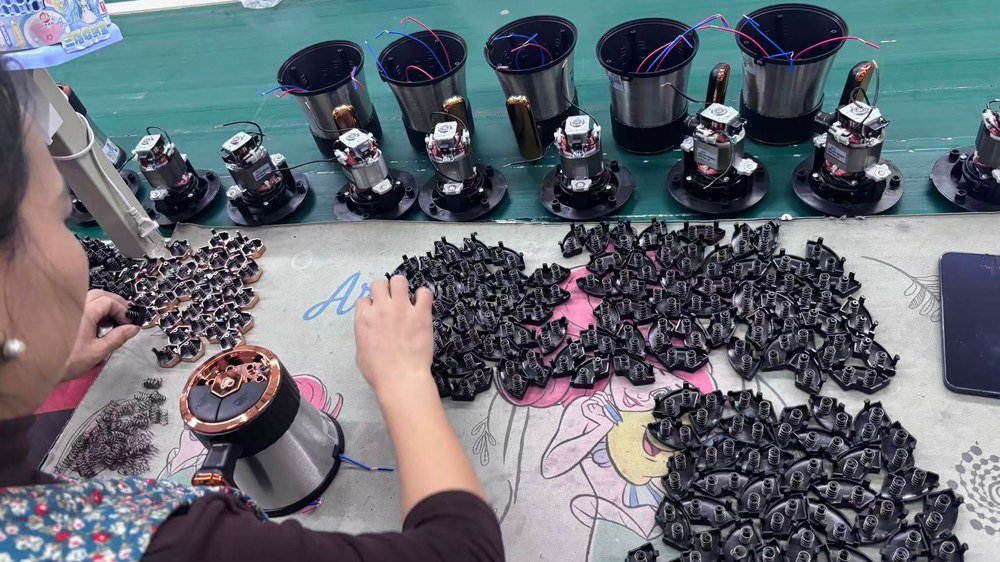
First case: the buyer wrote “it broke after two weeks” in an email — no photo, no serial number. The factory could not trace the batch, the buyer insisted it was not their fault, and the argument ended in a compromise.
Second case: the buyer opened the machine first and photographed it afterwards. The original state was gone, a screw was left over on reassembly, and nobody could separate an assembly fault from the teardown.
Third case: the unit had been modified by a third party to run on a different voltage, and the claim came after that. Nothing showed from outside; the wiring only became obvious once opened — and because the exclusion was never written down, the compensation was still negotiated.
At Langfang Jindu Household Products Co., Ltd. (https://jindubrand.com/) all three are closed in advance:
A claim starts with the form and the four pieces of evidence — the list from the previous article exists precisely so the first case cannot happen.
Photograph before opening: the buyer may inspect, but the original state has to be recorded first, and this sits in the after-sales note rather than in a verbal reminder.
The exclusion clause states plainly that third-party modification and non-original parts are outside warranty — written down, the third case needs no negotiation at all.
These three rules look like they protect the factory. They also protect the buyer: with complete evidence, fault is assigned quickly and paid quickly; with thin evidence, the one who loses most is usually not the factory but the buyer sitting on stock that cannot be sold.
This works because we do not run on trust: serial traces to batch, batch to workstation, terms sit in the contract, spares are allocated by failure rate. Five workshops in one park, 8,500 m², more than 200 people, 10,000 units a day — that is what lets after-sales be a process instead of a favour. The 12-month warranty is part of the same process.
The expensive part of after-sales is not the machine you replace. It is the three months nobody can explain.
Order now — inquiry: https://jindubrand.com/contacts/ · Alibaba store: https://jindujiaju.en.alibaba.com/
2 thoughts