

Quick answer: a warranty that never states the start date, the scope, the exclusions and the remedy is not a warranty on the day of the claim.
One company’s contract carried a single line: full unit warranted for one year. In month three the buyer reported a burnt motor. The seller said a burnt winding is misuse, not covered; the buyer said the voltage had been normal all along. Three months of emails, then both sides split the loss — small money, damaged relationship.
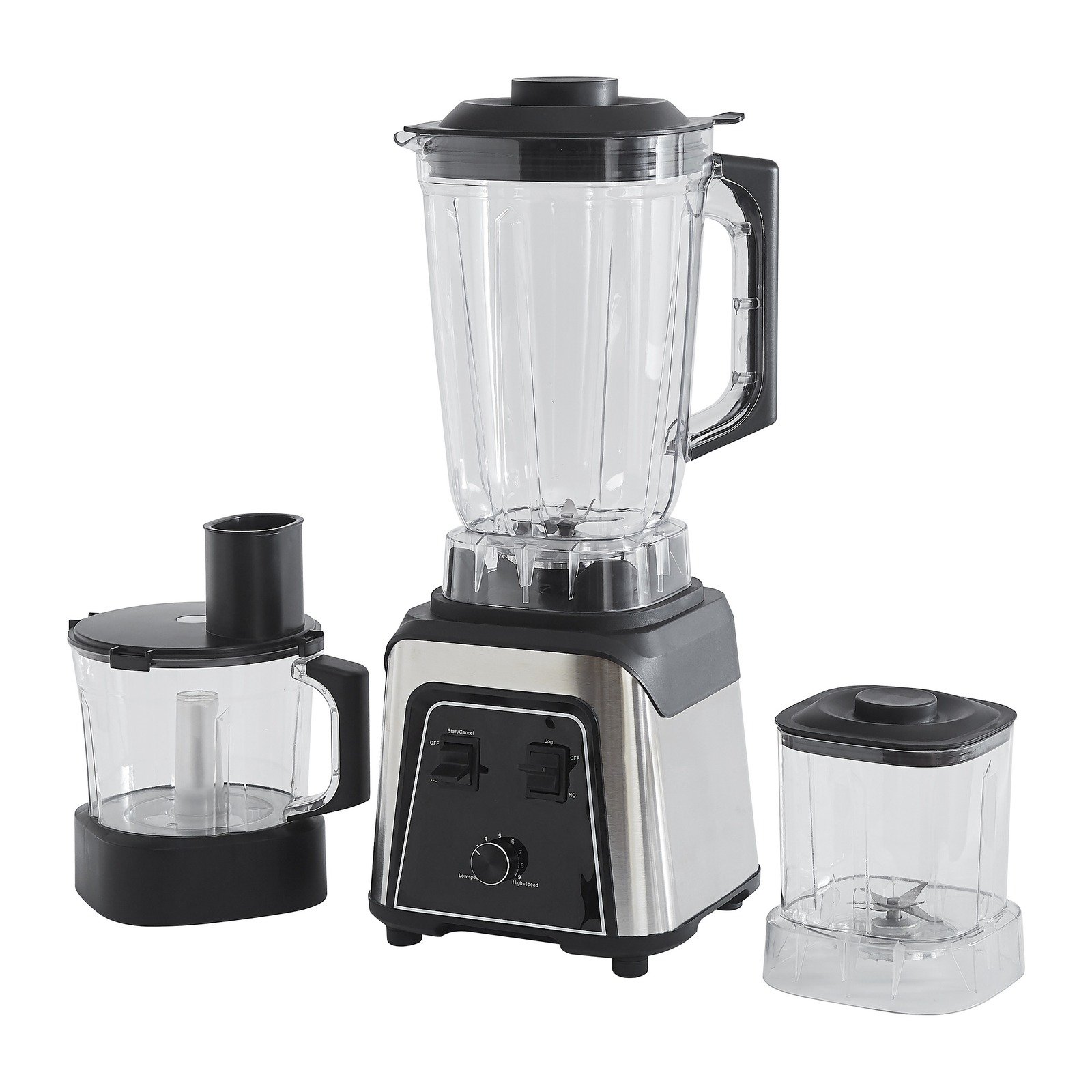
At Langfang Jindu Household Products Co., Ltd. (https://jindubrand.com/) that sentence is broken into four lines in the contract:
Term — 12 months from arrival or from the bill of lading date, both named, so a slow port falls back on the B/L date instead of an argument.
Scope — the whole unit, including motor, gears, seals and switch; consumables and cosmetic wear excluded.
Exclusions — teardown or modification, voltage outside rating, water ingress, non-original parts.
Remedy — replacement, refund or credit against the next order, chosen by failure rate and volume, not “we will see”.
These four lines are not legal decoration. Because machines get opened (we know where they failed) and spares are allocated by ratio (we know how many to send), the cost of each remedy can be calculated. A clause you can cost is a clause you can honour.
The reverse is also true: a factory that does not know its own failure distribution can only write vaguely — and vague feels safe to the seller until the argument arrives at the most expensive moment, when the buyer has stopped selling and the stock is sitting in a warehouse.
We make only grinders and blenders, five workshops in one park, 8,500 m², more than 200 people, 10,000 units a day. Scale means something concrete here: replacing a unit does not need a meeting, and the remedy can be a rule rather than a negotiation.

One more thing the four lines do: they protect the seller as much as the buyer. A clear exclusion list stops a claim from turning into a discount negotiation, and a named remedy stops the buyer from assuming replacement is the default. Both sides know the price of a failure before it happens, which is the only way it can be priced into the unit.
We review the warranty cost once a year against the failure table, and adjust the clause only when the data moves. A term that changes every season is not a term.
Write the terms down and a warranty becomes a cost line instead of an argument.
Order now — inquiry: https://jindubrand.com/contacts/ · Alibaba store: https://jindujiaju.en.alibaba.com/
2 thoughts